From Masking to Acceptance: How Understanding My Autism Changed My Mental Health
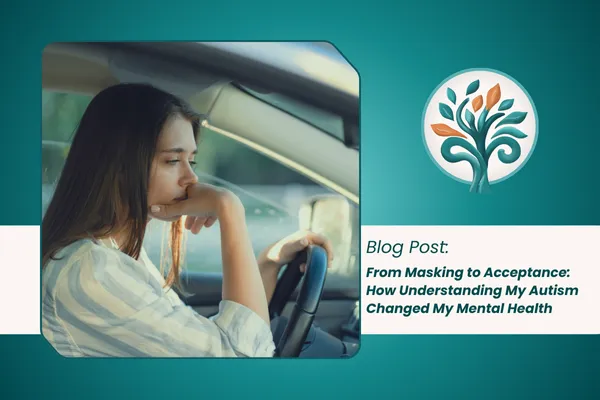
A few years ago, I sat in my car after a social event, gripping the steering wheel with shaking hands. My chest felt tight, my ears still ringing from the noise and laughter inside. Everyone had said what a great time they had. I smiled and nodded, playing along until it was finally polite to leave.
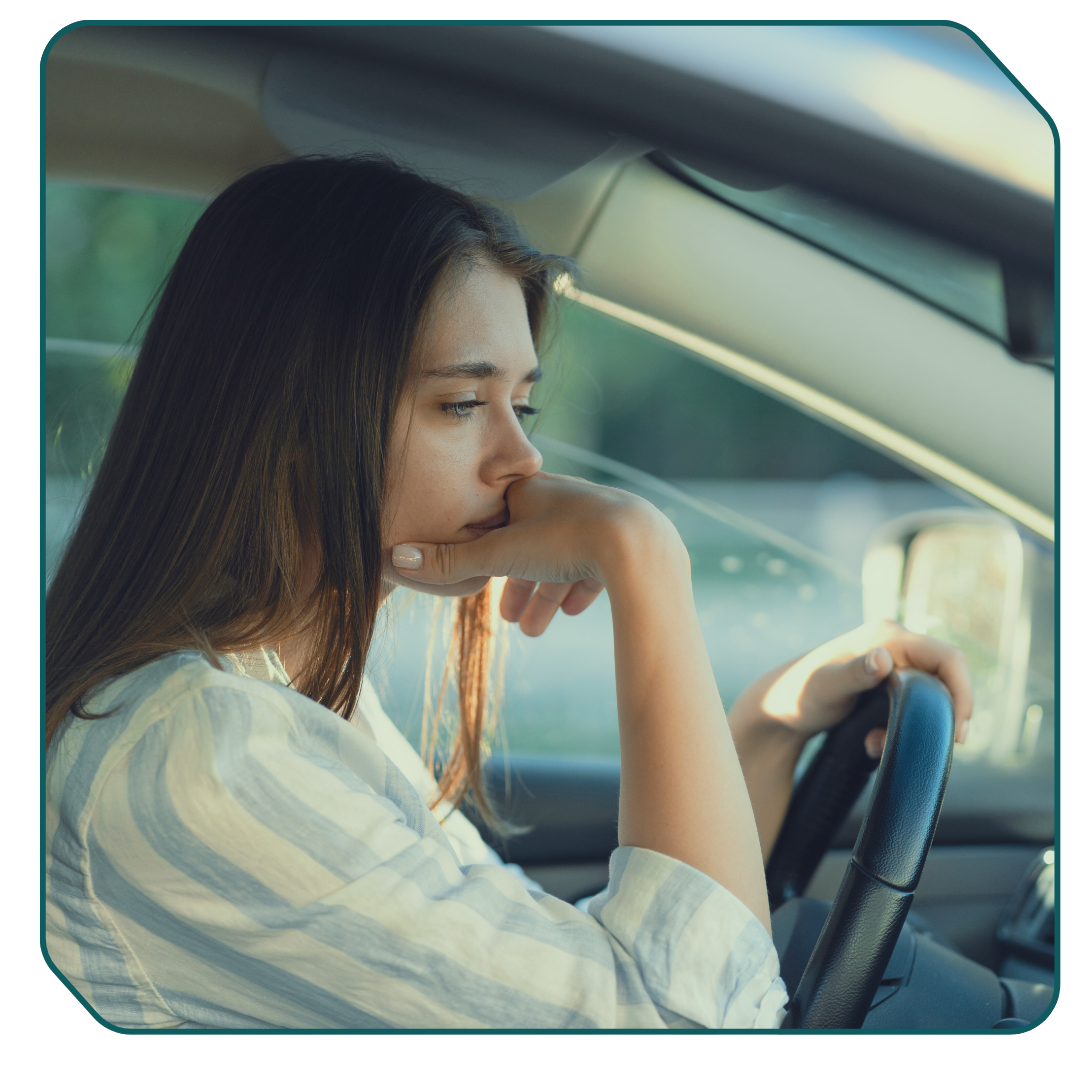
Once the door shut behind me, the mask came off. The silence felt like oxygen.
For years I thought something was wrong with me. That if I could just be more confident, more relaxed, more like everyone else, I would enjoy socialising too. What I did not know was that I was autistic, and the exhaustion and anxiety I felt after pretending to fit in were not personality flaws. They were warning signs.
That moment in the car was the beginning of a shift. It was when I started to realise that what I needed was not to be fixed. What I needed was acceptance. And I would not fully understand how transformative acceptance could be until much later, when I experienced it in a completely new way.
Why acceptance matters
Research consistently shows that autistic people experience much higher rates of mental health challenges than their neurotypical peers. Depression, in particular, is significantly more common. Studies estimate that depression is between three and twelve times more common in autistic adults compared to neurotypical peers.
Cage and colleagues (2018) explored one key reason why. The experience of acceptance, both internal and external, was strongly linked with better mental health, especially lower depression and stress. Acceptance acted almost like a buffer that protected mental wellbeing.
I understood the theory, and it resonated deeply with my own life. But it was not until a recent retreat that I fully felt what acceptance from others can do to an autistic nervous system.

What “acceptance” really means
Cage et al. defined acceptance as an individual feeling accepted or appreciated as an autistic person, with autism recognised and valued as part of who they are.
In simple language, it means being valued for who you are as an autistic person, not tolerated in spite of it. It is when others understand that autism is not something separate from you, but part of your identity, and they respond to you with that understanding. And it is when you begin to do the same for yourself.
True acceptance is when you can say:
"This is part of me. Not something broken or wrong. Just different. And it deserves space."
This became even clearer for me during a yoga retreat I attended recently. One of the instructors taught something that has stayed with me. There are times when discomfort is part of the practice, but there are also times when we can pause, adjust, and create comfort. We are allowed to be comfortable. Those around us want that for us too. It is allowed.
Just as we change and modify our shapes in yoga, we are allowed to change, modify, and accommodate our autistic needs. This small teaching carried a much larger truth. Choice, autonomy, and permission matter.
Learning to accept myself
When I discovered I was autistic, all the quirks and differences I had spent years hiding suddenly made sense. They were not character flaws or personal failings. They were simply how my brain works.
It is a bit like learning that you have been driving a manual car while treating it like an automatic your whole life.
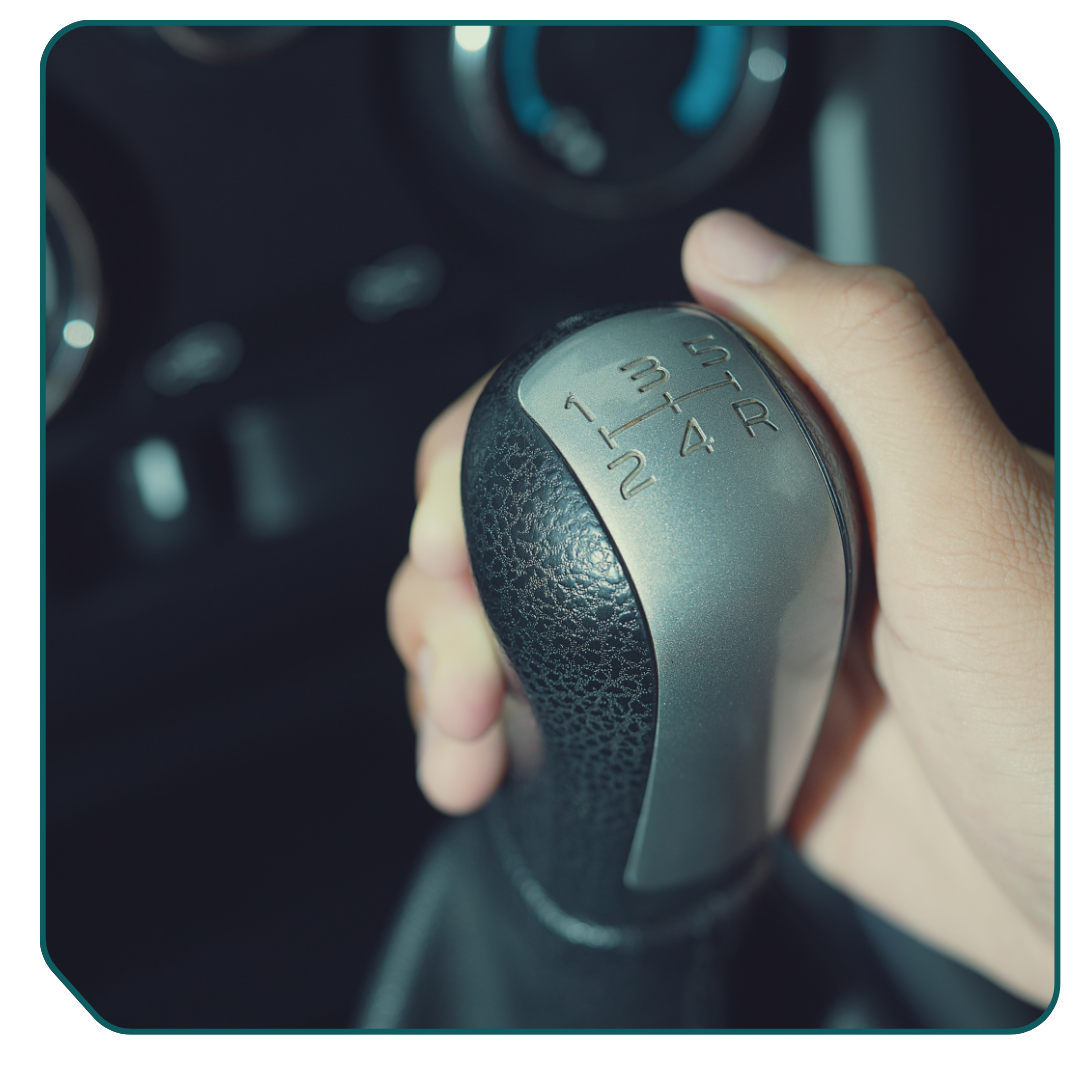
An automatic car moves through the gears without effort. It adjusts itself to the flow of traffic. That is how the neurotypical world often seems to run. People shift from one social gear to another without needing to think about it.
But a manual car, like an autistic brain, has a different rhythm. You pay attention to changes, sensations, and the feel of the moment. It takes more conscious effort. And if you try to drive it like an automatic, it stalls.
For so long, I pushed myself through discomfort without pausing to adjust, the way I thought I was supposed to. The retreat showed me what happens when people give you permission to shift gears at your own pace. The instructors encouraged everyone to meet their bodies where they were, to honour sensations without forcing themselves into shapes that hurt. For me, that simple permission unlocked something.
My experience of being given time and space to meet my needs, without rushing to meet any kind of approval from others, was new. To be so clearly and enthusiastically allowed to do what it took to be comfortable felt emotionally freeing. That level of acceptance is something I have only felt a handful of times in my life. I could feel my mental health take a deep sigh of relief for being allowed to be itself.
Maybe your brain runs on a manual transmission too. Once you stop forcing it into automatic mode, everything starts to make more sense.
What might change if you treated your brain with that same permission to adjust?
The cost of masking
Before I understood any of this, I was the social one in my family. My husband, who struggles with social anxiety, leaned on me to handle gatherings. Because I could smile and chat, it looked like I was thriving.
But over time, the cracks started to show. The anxiety would begin days before the event as I tried to think of excuses not to go.

During the events, I did not have shaking hands or visible panic. Instead, I would switch off. I could still see the room and hear the voices, but I was not following the conversations anymore. I sat quietly, keeping a pleasant expression on my face, laughing when others did, and focusing all my energy on keeping my body still. Sometimes it felt like I could not breathe.
I learned that drinking too much helped dull it all, but that was not a solution. It was survival.
Yet surviving is not the same as living.
Cage et al. found that masking was linked with higher depression and lower acceptance. One participant wrote, "I mask well so I am accepted, but not as an autistic person." That line stays with me. Masking does not just drain your energy. It teaches you that your real self is not welcome.
The retreat experience showed me the opposite. When people around you genuinely want you to be comfortable, the nervous system relaxes in ways that masking never allows. You stop contorting yourself. You stop bracing. You breathe.
If you’d like to read more about masking and why unmasking matters, I’ve written about it in detail here.

Acceptance as a protective factor
According to the study, both external acceptance and self acceptance predicted lower depression, while external acceptance also predicted lower stress. Acceptance is not a soft idea. It is a protective factor.
When autistic people feel accepted by themselves and by others, their mental health improves. When we are accepted, we can stop using our energy to hide who we are and start using it to connect, create, rest, and regulate.

The retreat gave me a lived example of this. By the end of the week, I felt calmer, more settled, and more myself. There was no pressure to perform. No pressure to match the energy of the group. I could choose what to join, what to skip, and how to take care of myself. That level of communal acceptance lowered my stress in a way that I could feel in my body.
Acceptance protects us because it gives our systems room to settle.
Self-acceptance: where it all begins
It is easy to talk about acceptance as something that comes from other people, but the truth is that it has to start from within. Many of us judge ourselves for the things that make us different, the way we fidget, our sensitivity to noise, how our thoughts loop, or how our words tangle when we are tired.
Every time we shame ourselves for those traits, we reinforce the message that we should operate like the automatic cars.
Real acceptance begins when we stop fighting the way our engines are built. We are manual cars. We need time to shift gears. We need pauses. We notice things deeply. We move at a rhythm that makes sense to our wiring.
Self acceptance is not resignation. It is the foundation of growth.
Building a culture of acceptance
Acceptance is both personal and collective. It is shaped by the stories we tell and the spaces we create. When the public conversation focuses on curing or fixing autism, it sends the message that being autistic is something to hide. That narrative does real harm.
Acceptance grows when we listen to autistic voices, make space for difference, and treat accommodations as acts of respect rather than special treatment. It looks like workplaces offering sensory friendly options, families adjusting expectations, and communities that see neurodiversity as a source of richness, not discomfort.
The retreat community showed me what that can look like in practice. A group of people who wanted everyone to feel at ease. A group who welcomed adjustments and differences. A group who understood that comfort is not indulgent. It is necessary.
Acceptance does not just change individuals. It changes communities.
How we can all support acceptance
Each of us has a part to play in creating a world that values autistic people as we are.
Listen to autistic voices. Believe lived experiences, even when they don’t match your own.
Use identity-affirming language. Many of us prefer “autistic person” because it recognises autism as part of who we are.
Challenge misconceptions. Share accurate information when you can.
Model acceptance. Make space for sensory needs, honest communication, and differences in how people show up.
And finally, share what you learn. Conversations like this one are how we change the narrative.
If this article resonates with you, please share it with a friend, a coworker, a family member.
Help make acceptance something we talk about as openly as awareness.
Because when we normalise autism as simply one way of being human, we build a kinder world where all minds belong. Because acceptance isn’t just good for autistic people — it’s good for all of us.
If you want practical tools to support your autistic wellbeing, you can explore my free and paid resources in the Positive Strategies Learning Hub here.
Cage, E., Di Monaco, J., & Newell, V. (2018). Experiences of autism acceptance and mental health in autistic adults. Journal of Autism and Developmental Disorders, 48(2), 473–484. https://doi.org/10.1007/s10803-017-3342-7


